What Is a Toggle Latch and Why Is It Critical for Secure Industrial Enclosures
2025-12-26
A toggle latch is a small yet powerful mechanical fastening solution widely used in industrial, electrical, automotive, and enclosure systems. Despite its simple appearance, the toggle latch plays a critical role in ensuring safety, reliability, and operational efficiency. In this in-depth guide, we explore what a toggle latch is, how it works, its key types, materials, applications, and how to choose the right toggle latch for demanding environments.
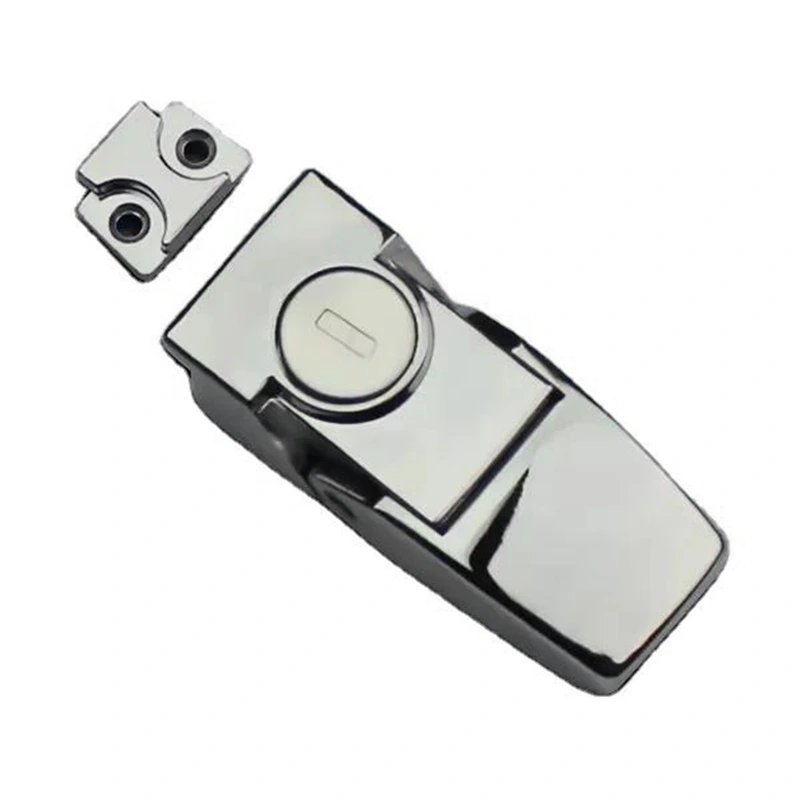
Table of Contents
- 1. What Is a Toggle Latch?
- 2. How Does a Toggle Latch Work?
- 3. Why Is a Toggle Latch Critical for Industrial Enclosures?
- 4. Types of Toggle Latches Explained
- 5. Common Materials Used in Toggle Latches
- 6. Key Applications of Toggle Latches
- 7. How to Choose the Right Toggle Latch
- 8. Toggle Latch vs Other Latching Mechanisms
- 9. Installation and Maintenance Best Practices
- 10. Frequently Asked Questions (FAQ)
1. What Is a Toggle Latch?
A toggle latch is a mechanical fastening device designed to securely hold two surfaces together using an over-center locking mechanism. Once engaged, the latch applies consistent clamping force, preventing accidental opening due to vibration, pressure, or external impact.
Unlike simple hooks or snap locks, a toggle latch uses leverage to create tension. This makes it especially suitable for industrial enclosures, electrical cabinets, machine housings, and transport cases where reliability is non-negotiable.
2. How Does a Toggle Latch Work?
The working principle of a toggle latch is based on an over-center action. When the handle is closed, the pivot point moves past its center line, locking the latch in place.
- Hook or catch engages with the strike plate
- Handle is rotated or pressed down
- Over-center action creates clamping force
- Latch remains locked until manually released
This mechanical advantage ensures strong holding power with minimal effort, which is why toggle latches are widely used in repetitive-access environments.
3. Why Is a Toggle Latch Critical for Industrial Enclosures?
Industrial enclosures protect sensitive components such as electronics, wiring, and control systems. A failure in enclosure security can lead to downtime, safety hazards, or equipment damage.
Toggle latches are critical because they provide:
- Consistent and adjustable clamping force
- Resistance to vibration and shock
- Quick access for maintenance
- Long service life in demanding environments
For manufacturers like Bass-IOT, toggle latches are not just components—they are part of a system-level approach to enclosure reliability.
4. Types of Toggle Latches Explained
| Toggle Latch Type | Key Features | Typical Applications |
|---|---|---|
| Draw Toggle Latch | High clamping force, adjustable hook | Industrial enclosures, machinery covers |
| Push-to-Close Toggle Latch | Fast engagement, minimal effort | Transport cases, access panels |
| Safety Toggle Latch | Secondary locking mechanism | High-vibration environments |
| Heavy-Duty Toggle Latch | Reinforced structure, high load rating | Automotive, rail, industrial equipment |
5. Common Materials Used in Toggle Latches
Material selection directly impacts durability, corrosion resistance, and load capacity.
- Stainless Steel: Ideal for corrosive and outdoor environments
- Carbon Steel: High strength, cost-effective
- Zinc Alloy: Good balance of strength and appearance
- Nylon or Plastic: Lightweight, non-conductive applications
According to product specifications from toggle latch manufacturers, stainless steel toggle latches are increasingly favored in smart infrastructure and IoT enclosures.
6. Key Applications of Toggle Latches
Toggle latches are used across multiple industries due to their versatility.
- Electrical and IoT enclosures
- Industrial machinery panels
- Automotive and transportation equipment
- Medical device housings
- Outdoor cabinets and telecom boxes
7. How to Choose the Right Toggle Latch
Choosing the right toggle latch requires balancing mechanical performance with environmental conditions.
- Determine required holding force
- Assess environmental exposure (dust, moisture, chemicals)
- Consider frequency of access
- Verify material compatibility
- Ensure compliance with industry standards
Engineers working with Bass-IOT often prioritize modular designs that allow easy latch replacement and upgrades.
8. Toggle Latch vs Other Latching Mechanisms
| Latch Type | Strength | Ease of Use | Best Use Case |
|---|---|---|---|
| Toggle Latch | High | High | Industrial enclosures |
| Cam Latch | Medium | Medium | Light-duty panels |
| Magnetic Latch | Low | Very High | Consumer products |
9. Installation and Maintenance Best Practices
Proper installation ensures optimal performance and longevity.
- Align latch and strike accurately
- Apply correct mounting torque
- Check over-center engagement
- Perform periodic inspections
10. Frequently Asked Questions (FAQ)
Q1: What makes a toggle latch different from a regular latch?
A toggle latch uses an over-center mechanism to maintain constant clamping force, making it more secure than simple latches.
Q2: Are toggle latches suitable for outdoor use?
Yes, especially stainless steel toggle latches designed for corrosion resistance.
Q3: Can toggle latches handle vibration?
High-quality toggle latches are specifically designed to resist loosening under vibration.
Q4: How long does a toggle latch typically last?
With proper material selection and maintenance, a toggle latch can last for years, even in harsh environments.
Conclusion
A toggle latch may appear to be a small component, but its impact on safety, efficiency, and equipment reliability is significant. By understanding how toggle latches work, their types, materials, and applications, engineers and buyers can make informed decisions that enhance system performance.
If you are looking for reliable, industrial-grade toggle latch solutions backed by engineering expertise, Bass-IOT offers a comprehensive range tailored to modern enclosure and IoT applications. To discuss your project requirements or request technical support, contact us today and let our team help you find the right solution.